Grid & Robots new release, thoughts on our recent gig
Grid & Robots is the electronic improvising duo of me and Cath Roberts. We just released our first album, Practical Box-Counting, and also played our first gig for a couple of years in a unique and unusual venue.
Our duo was formed through an invitation from Phil Durrant, who invited us to work together for his live event Overtones and Undertones, at Iklectik in London Waterloo, in January 2023. We already knew each other from around the London improvising scene. Cath is well known as a baritone sax player composing for and performing in ensembles and improvising internationally, running events series LUME and BRÅK, and releasing music, zines and other publications. We had played together in the Colin Webster Large Ensemble, and I’d performed at Cath’s events before (my first gig back after lockdown was one of them). Cath had recently started using electronics, and I released a split tape of some of their electronic music via my label. Our first show went well, so we planned to book some more. By June of 2023 we’d played a few more shows, and also recorded some music in the studios at LSBU, where I was doing my PhD – the project is discussed in chapter 4 of the thesis.
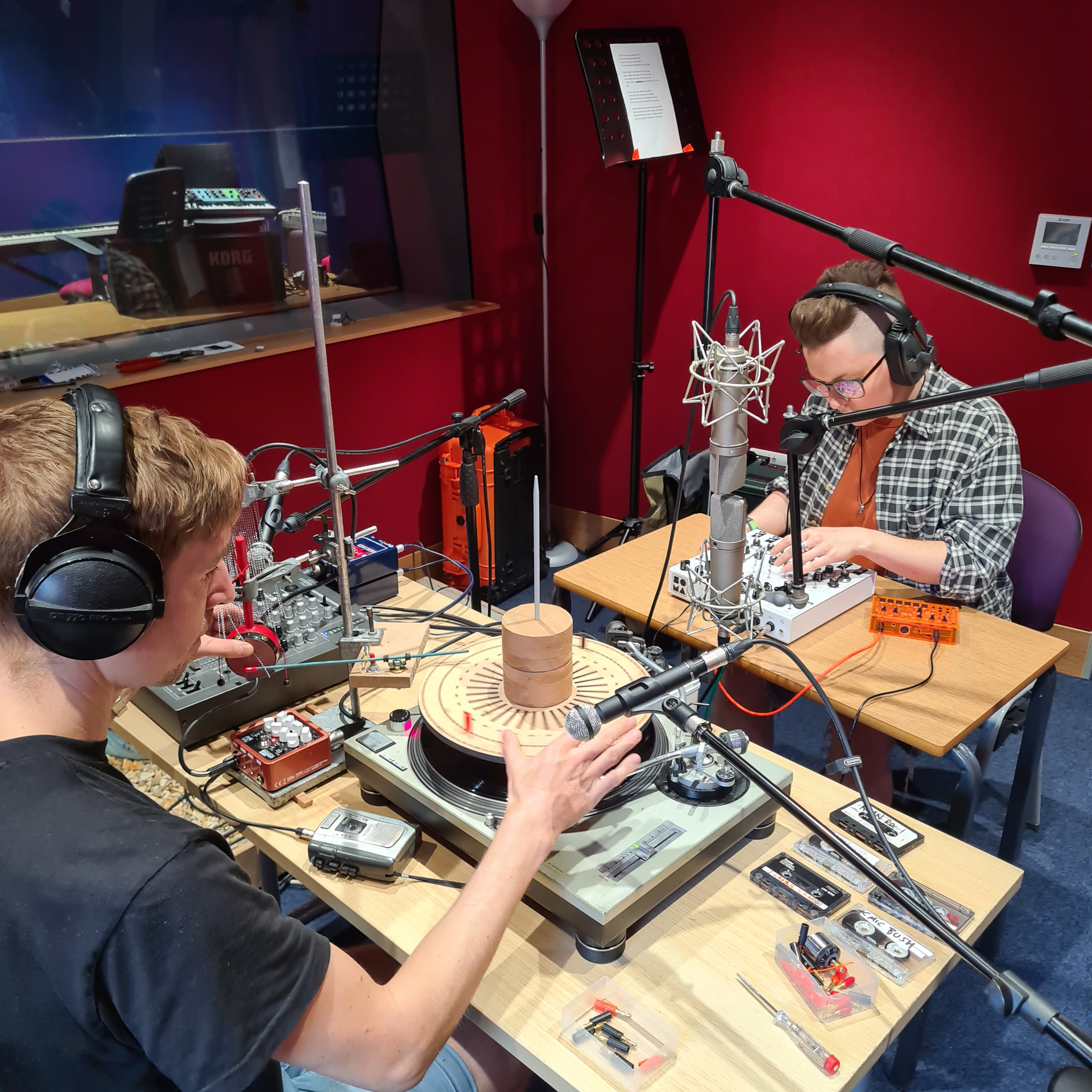
Practical Box-Counting is the result of those recordings. Cath used a Lyra-8 synthesiser and Bastl Microgranny sampler; I was using extended turntable with amplified objects, records of machine sounds (from field recordings and sound effects LPs) and dubplates and tapes of my own field recordings. Our sound focuses on texture, noise, drone and fragments of rhythm – in the PhD I describe our approach as a combination of process music and improvisation, working with layers and blocks of sound as opposed to individual sound-making actions. Jack Driscol expertly engineered the session, selecting and positioning stereo mics to capture the detail of the acoustic devices I was using, and re-amping Cath’s synths through two different guitar amps to emphasise the live feel. We improvised all the pieces across the day’s session, and edited and mixed them together later.
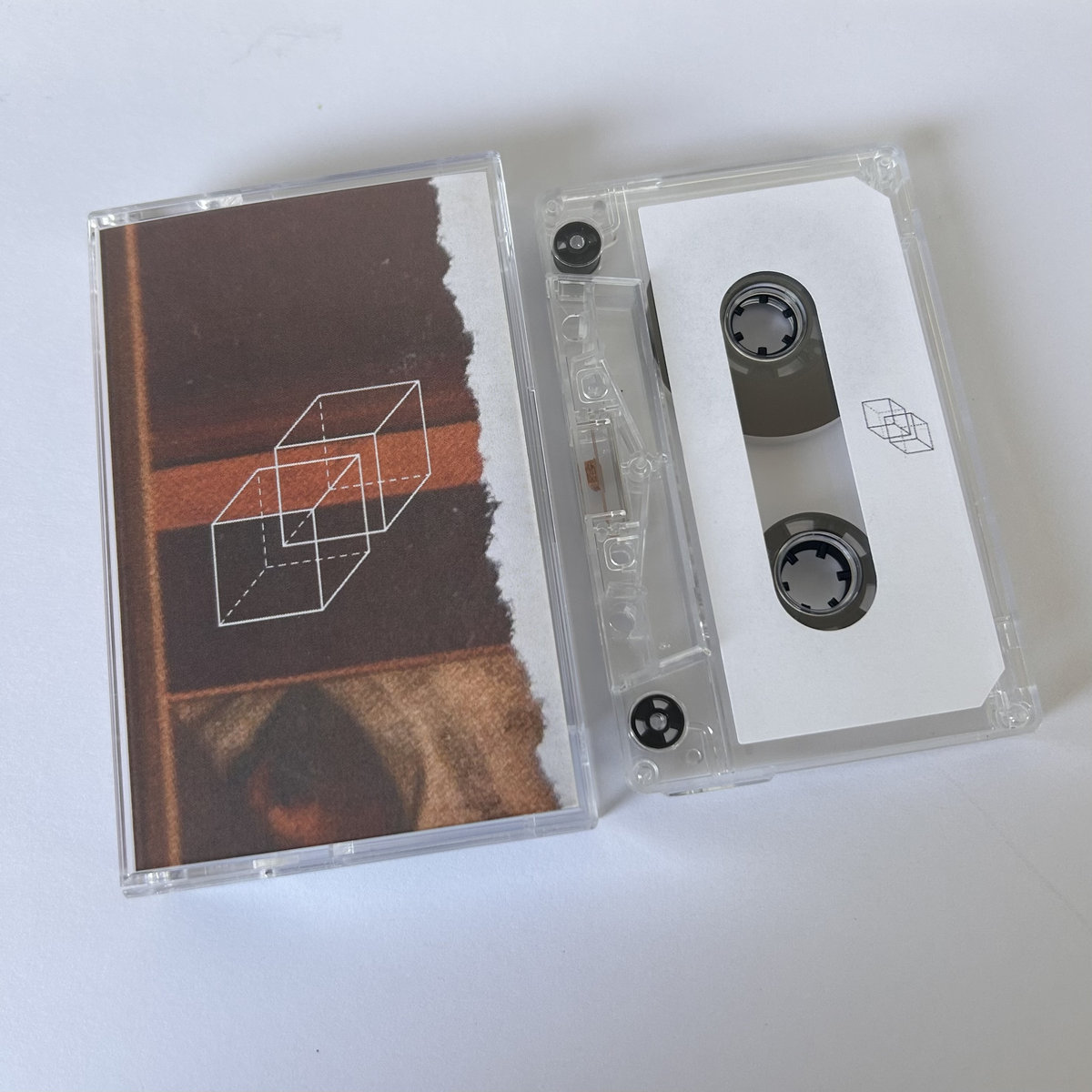
The tape (and download) is released as part of the Zener series by Sensory Leakage, a label based in Glossop. Simon makes the cassettes at home with a pro-duplicator, using a local company to print. Each release in the series features a symbol, based initially on those developed by Karl Zener for testing extra sensory perception.
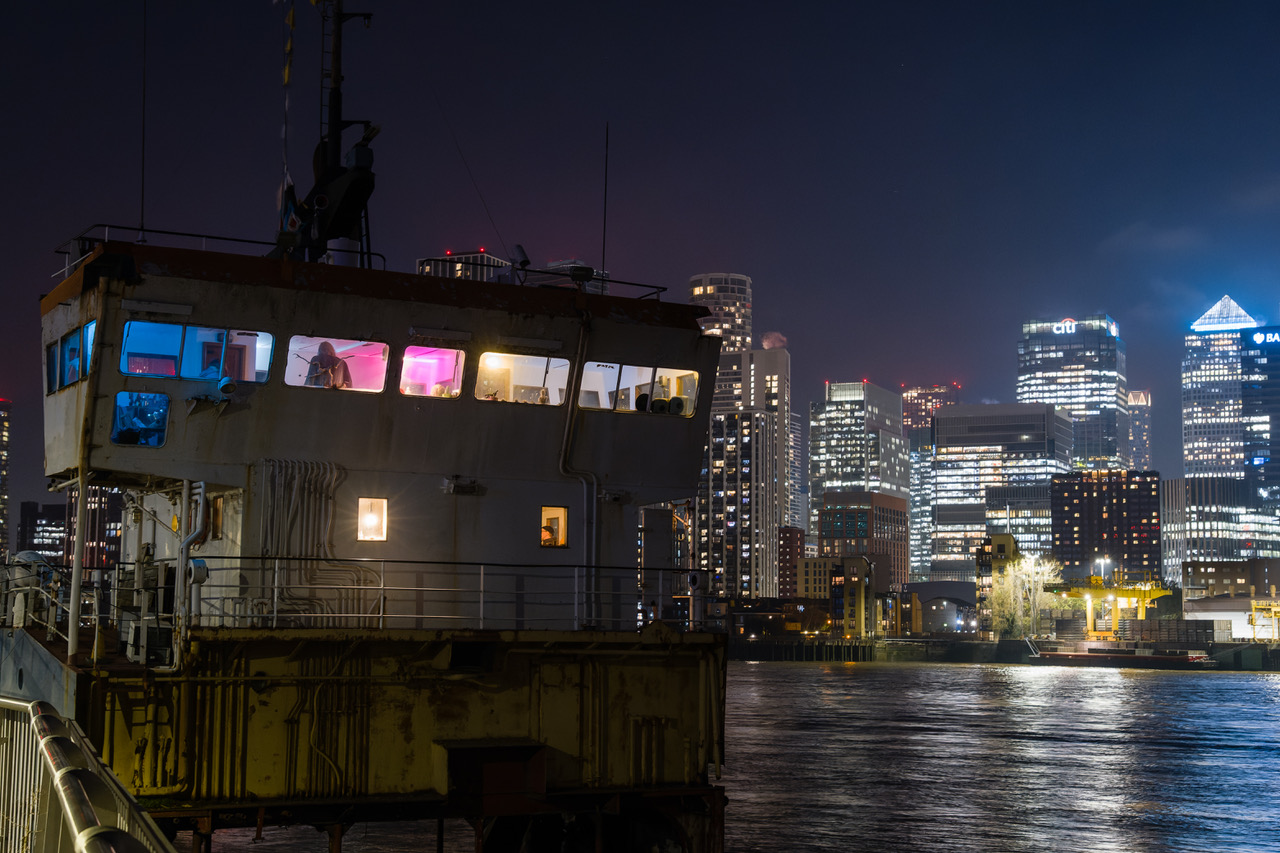
The release coincided with our first gig for a couple of years, at NAUS #5, part of a series curated by Stephen Sheill. The event was on board the sculpture by Richard Wilson, A Slice Of Reality, a section of a sand trawler permanently installed on the bank of the Thames in North Greenwich. As Stephen explains, “I’m currently one of the artists in residence on board the ship, the sculpture that sits in the River Thames on the Greenwich peninsula. Part of my research there involves exploring and understanding the site as both a public sculpture and a private environment that sits beyond the usual boundaries. These six events are actions to explore the tensions that exist between the public and private, and curating the series around my own love for experimental electronics and improvisation is a way for me to bring communities into this setting—a chance to celebrate an underground London culture in a place that hasn’t been commercialised or capitalised, even though it lies at the heart of these very environments.“
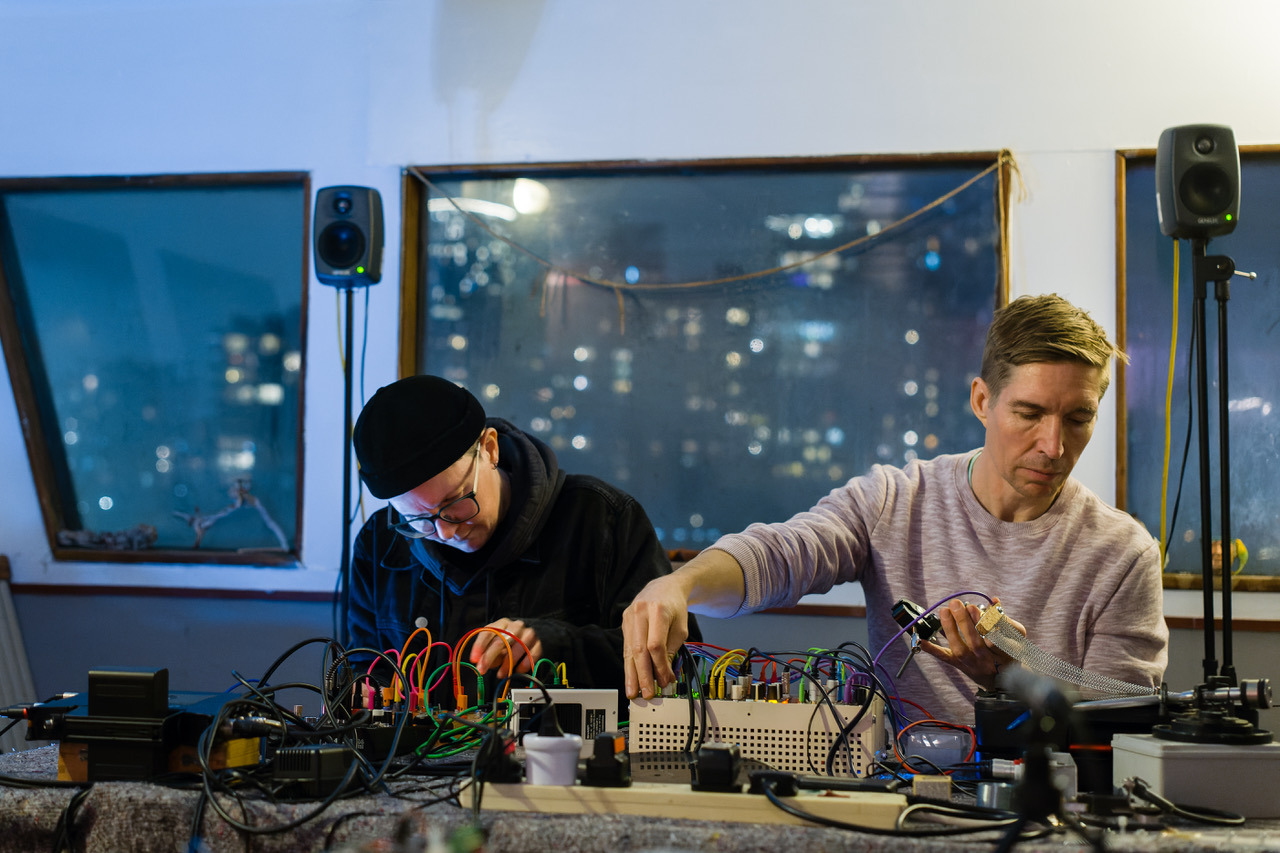
Our setup for the show was slightly different than previous performances, Cath using a new semi-modular synth and sampler, with tapes of percussion and other sounds; myself with portable turntable, dubplates, tapes, effects and various amplified metal objects and tines. Again, our sound palate drew from noise, texture, and drone, with elements of repetition a focus on layering multiple complex sources.
Stephen’s other choices for the show shared some similarities in approaches and sound. John Richards‘ setup (on an ironing board) used activated electromagnets to ping ball-bearings round a glass beaker, rotating physical sequencer, and glitching handmade electronic circuitry. David Bloor‘s modular setup – a complex nest of cables with devices below barely visible – used aleatoric sequencing, sample playback and synthesis with a multi-input gestural control similar to a light-theremin.
The atmosphere aboard the venue is lovely, it kind of feels like performing in someone’s living room, with an invited audience of noise and sound enthusiasts.. Outside one window, across the Thames, the bright towering lights of Canary Wharf’s financial buildings. Looking the other way, an unrestricted view down the river. The tide was low on arrival, the sculpture’s iron legs secured in the mud visible. On leaving by the rickety draw bridge, the tide was high. It’s a strange sensation to be on board with no movement of the vessel – it’s not a floating boat but a solid mass firmly anchored into the bed.

